Underwater Embroidery Designs: Integrating Aquatic Motifs into Your Creative Workflow
In the realm of textile arts and digital crafting, consistency and thematic cohesion are often what separate a hobbyist project from a professional-grade product. Underwater Embroidery Designs represent more than just a collection of aquatic images; they are versatile assets that can streamline your creative process, whether you are designing children’s apparel, curating home decor, or producing educational materials. By incorporating structured elements like numbers and charming marine life, these designs offer a unique intersection of aesthetic appeal and functional utility.
For creators, entrepreneurs, and educators, understanding how to effectively integrate these motifs into existing workflows is crucial. It is not merely about selecting a pretty fish; it is about planning how that design interacts with fabric types, machine capabilities, and end-user expectations. This guide explores the practical implementation of underwater-themed digital embroidery, focusing on efficiency, quality control, and strategic application.
Strategic Planning and Asset Selection
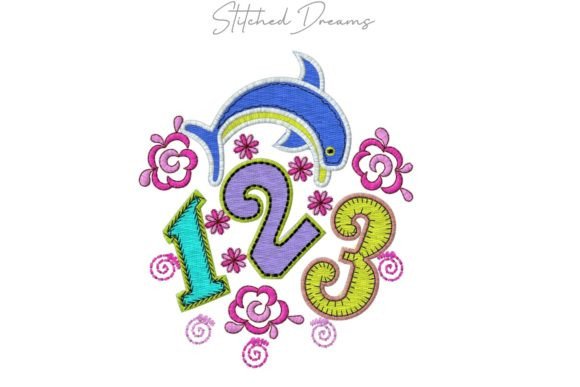
Before loading any file into your embroidery machine, successful execution begins with preparation. The "Nice Fish with Numbers 123" series exemplifies how thematic consistency can simplify decision-making. When you choose a cohesive set of underwater embroidery designs, you reduce the time spent searching for compatible motifs across different libraries. This standardization is vital for small business owners who need to maintain brand consistency or educators creating a series of learning aids.
Consider the scope of your project. Are you stitching a single monogram on a beach tote, or are you producing a run of twenty personalized quilts? The latter requires a workflow that prioritizes speed and reliability. Digital embroidery files that come in multiple formats ensure compatibility with various machines, eliminating the bottleneck of file conversion errors. By verifying that your chosen designs support your specific hardware before purchase, you protect your production timeline from unnecessary technical delays.
Enhancing Educational and Decorative Projects
One of the most compelling use cases for these aquatic motifs is in the creation of educational materials. The combination of fish illustrations with numbers 1, 2, and 3 transforms abstract concepts into tangible, engaging visuals. For teachers and parents, this integration supports early learning through tactile engagement.
- Classroom Decor: Use large-scale fish designs to create number lines or counting charts that withstand daily wear and tear.
- Personalized Learning Tools: Stitch numbers onto plush toys or fabric books, allowing children to associate numeracy with playful characters.
- Reward Systems: Create embroidered badges or patches featuring specific fish and numbers to mark milestones in a child’s progress.
The key here is usability. Designs must be legible and durable. When implementing these motifs, consider the stitch density. High-density stitches may look impressive but can make fabric stiff, which is undesirable for items handled frequently by children. Opt for designs labeled as "easy stitching" or those optimized for clarity rather than excessive texture. This balance ensures the final product remains functional while retaining its visual charm.
Workflow Integration for Apparel and Accessories
For fashion designers and custom apparel creators, underwater themes offer a seasonal yet timeless appeal. Beachwear, summer collections, and resort-style clothing benefit significantly from aquatic imagery. However, integrating these designs requires attention to placement and fabric behavior.
When working with stretchy fabrics common in swimwear or active wear, stabilization is critical. The workflow should include testing the design on scrap fabric identical to your final material. This step prevents puckering and ensures that the "Nice Fish with Numbers" motifs lay flat and retain their shape after washing. For tote bags and canvas items, the focus shifts to hoop size and positioning. Large, open areas allow for expansive scenes, where you might combine multiple fish designs to create a dynamic underwater landscape.
Efficiency in this stage comes from batch processing. If you are fulfilling orders for a boutique, organize your files by color thread changes rather than by design. This approach minimizes thread swaps and reduces machine downtime. By grouping similar underwater motifs together, you streamline the production line, allowing for higher output without sacrificing quality.
Technical Compatibility and File Management
A smooth creative process relies heavily on organized digital assets. Underwater Embroidery Designs typically come in various file formats such as PES, DST, JEF, and EXP. Each format serves different machine brands and software ecosystems. Maintaining a well-structured library is essential for long-term productivity.
Implement a naming convention that includes key details: theme, size, and format. For example, "Fish_Number1_4x4_PES" allows for quick retrieval during high-pressure production windows. Additionally, keep backup copies of original files in a cloud storage solution. This safeguards your work against data loss and ensures you can access your assets from any workstation, a crucial feature for freelancers and remote collaborators.
Compatibility extends beyond file types to software features. Modern embroidery software allows for resizing, recoloring, and combining elements. Before finalizing a design, use these tools to adjust the scale of the fish and numbers to fit your specific hoop size. Ensure that the aspect ratio remains consistent to avoid distorting the characters, which could compromise the professional look of the final piece.
Quality Control and Final Execution
The final stage of any embroidery project is quality control. This is where the theoretical planning meets physical reality. Inspect each stitched item for loose threads, tension issues, or registration errors. For designs involving numbers, clarity is paramount. A poorly stitched "3" can look like an "8," undermining the educational value or aesthetic intent.
Establish a checklist for your finishing process:
- Trim all jump stitches carefully to maintain clean lines.
- Press the embroidered area from the back to flatten any raised stitches without crushing the pile.
- Verify that the colors match your design proof, especially if using variegated threads for water effects.
- Check the durability of the attachment if applying patches to garments.
This rigorous approach ensures that every item leaving your workspace meets professional standards. It builds trust with clients and customers, reinforcing your reputation for quality and reliability.
Long-Term Value and Creative Expansion
Investing in high-quality digital embroidery designs like the "Nice Fish with Numbers 123" series offers long-term value. These assets are not one-time uses; they are building blocks for future projects. As trends shift, aquatic themes remain perennial favorites in children’s markets and coastal decor sectors. By mastering these designs now, you build a repertoire that can be adapted and expanded upon.
Consider how these motifs can interact with other design elements. Can the fish be paired with floral accents for a whimsical garden-meets-ocean theme? Can the numbers be integrated into larger typographic projects? Thinking creatively about combinations allows you to maximize the utility of your digital library. This adaptability is key for entrepreneurs looking to diversify their product offerings without constantly purchasing new assets.
Ultimately, the success of using underwater embroidery designs lies in the seamless integration of art and process. By focusing on preparation, compatibility, and quality control, you transform simple digital files into cherished tangible goods. Whether you are stitching for joy, education, or profit, these aquatic motifs provide a reliable and charming foundation for your next creative endeavor. Embrace the workflow, respect the technical requirements, and let your creativity dive deep into the possibilities.