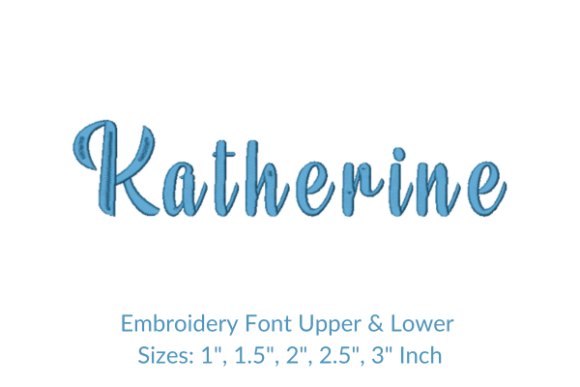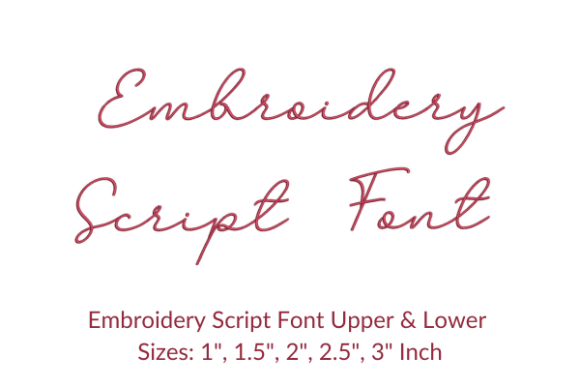
Turbinado Font: Elevating Your Embroidery Projects with Precision and Style
When you are ready to move beyond basic stitching and add a touch of sophisticated typography to your textile creations, Turbinado Font emerges as a compelling choice. This high-quality embroidery font is designed specifically for those who want to personalize their designs with elegance and clarity. Whether you are monogramming towels, adding names to baby blankets, or embroidering inspirational quotes on tote bags, the right typeface can make the difference between a homemade look and a professional finish. However, selecting and using an embroidery font involves more than just picking a style you like. Many creators overlook critical technical details that can lead to wasted thread, puckered fabric, and frustrated clients.
Understanding the Versatility of Turbinado
Before diving into common pitfalls, it is essential to understand what makes this specific font valuable. Turbinado is not just a digital image; it is a engineered set of stitch paths. It comes with multiple embroidery file formats, ensuring compatibility with a wide range of machines from Brother to Janome, Bernina, and beyond. This versatility allows you to write names, dates, or quotes on any fabric you wish, provided you understand the underlying mechanics. The font’s structure is optimized for stability, meaning the letters connect smoothly without excessive jump stitches that can clutter the back of your work or cause tangling during production.
Common Mistakes When Using Embroidery Fonts
Even experienced hobbyists and small business owners often stumble when integrating new fonts into their workflow. Here are the most frequent errors and how to avoid them.
Ignoring Fabric Compatibility
One of the most significant mistakes is assuming that a font will look the same on every material. A design that looks crisp on dense cotton canvas may become illegible on stretchy jersey knit or sheer chiffon. Turbinado Font is robust, but like all embroidery, it requires the right foundation. If you ignore the fabric’s weight and stretch, you risk distortion. The letters may pull together, closing up the negative space inside characters like "e" or "a," rendering the text unreadable.
Better Approach: Always test your design on a scrap piece of the actual fabric you intend to use. Adjust your stabilizer choice accordingly. For stretchy fabrics, use a cut-away stabilizer to provide ongoing support, whereas tear-away stabilizers may suffice for woven, non-stretch materials.
Overlooking Size Constraints
Embroidery fonts have minimum and maximum size limits dictated by the stitch density and the physical limitations of the needle and thread. A common error is resizing a font too small in your software without adjusting the stitch count. When you shrink Turbinado below its recommended minimum, the stitches become too close together, leading to thread breaks and bird nests. Conversely, enlarging it too much without adding density can result in gaps where the fabric shows through, making the text look sparse and unprofessional.
Better Approach: Check the included documentation for the specific size range of the font. Most quality embroidery fonts, including Turbinado, provide optimal size parameters. Stick within these bounds to ensure clean coverage and structural integrity.
Neglecting File Format Specifics
While Turbinado Font comes with multiple file formats, simply choosing the first one you see can lead to issues. Different machines interpret data differently. Using a generic format on a machine that prefers a proprietary format might result in slight shifts in letter spacing or alignment. Some users also fail to update their machine’s firmware, which can cause older file types to render incorrectly.
Better Approach: Identify the native format for your specific embroidery machine model. If you own a Brother machine, prioritize the .PES file. For Janome, use .JEF. This ensures that the digitizing instructions are read exactly as intended by the creator, preserving the kerning and stitch angles.
Optimizing Your Workflow for Professional Results
To truly benefit from this high-quality embroidery font, you need to integrate it into a thoughtful workflow. This involves more than just loading the file and hitting start. Consider the following practical steps to enhance efficiency and quality.
- Hooping Technique: Ensure your fabric is drum-tight in the hoop. Any slack will cause the Turbinado letters to shift, resulting in misaligned text. Use floating techniques for delicate fabrics that cannot be hooped directly.
- Thread Quality: High-quality fonts deserve high-quality thread. Cheap thread creates lint and breaks easily, which ruins the smooth curves of the font. Invest in polyester or rayon threads that offer sheen and durability.
- Needle Selection: Use a fresh embroidery needle. A dull needle can pierce the thread rather than the fabric, causing fraying and breakage, which is particularly noticeable in the fine details of scripted or serif fonts.
Evaluating Value Before You Buy
When considering purchasing Turbinado Font or similar digital assets, look beyond the preview images. Many buyers make the mistake of judging a font solely by its appearance in a marketing graphic. These images are often digitally rendered and do not reflect the reality of stitched output. Instead, look for user reviews that include photos of actual stitched samples. Check if the seller provides technical support or updates. A reputable creator will stand behind their digitizing work.
Additionally, consider the licensing terms. If you are a small business owner planning to sell items featuring this font, ensure the license covers commercial use. Some free or low-cost fonts are for personal use only, and violating these terms can lead to legal issues down the line. Turbinado is designed for creators who value both aesthetic appeal and legal clarity, making it a safe investment for entrepreneurs.
Final Thoughts on Mastering Typography in Embroidery
Mastering embroidery typography is a journey of trial and error, but starting with a reliable tool like Turbinado Font gives you a significant advantage. By avoiding common mistakes such as ignoring fabric types, resizing improperly, and neglecting file formats, you can produce clean, professional-looking designs consistently. Remember that the goal is not just to put text on fabric, but to enhance the item’s value and emotional resonance. Whether you are creating a gift for a loved one or a product for your online store, attention to detail matters.
Take the time to practice with scrap fabrics, experiment with different stabilizers, and respect the technical constraints of your machine. With patience and the right resources, you will find that Turbinado becomes an indispensable part of your creative toolkit, helping you personalize designs with confidence and flair. The difference between a good project and a great one often lies in these small, manageable adjustments.