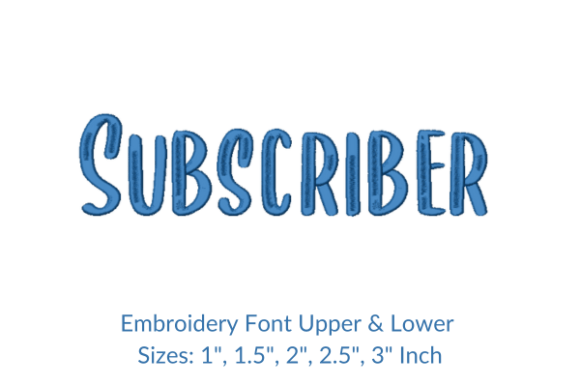
Subscriber Font: Integrating High-Quality Embroidery Design into Your Creative Workflow
In the world of custom textile design, the difference between a amateur-looking project and a professional-grade product often comes down to typography. Subscriber Font represents a specialized tool designed to bridge this gap, offering creators a high-quality embroidery font that simplifies the personalization of fabrics. Whether you are running a small business selling monogrammed goods, an educator creating classroom materials, or a hobbyist looking to add a personal touch to home decor, understanding how to integrate this asset into your broader creative process is essential for efficiency and consistency.
This article explores how Subscriber Font fits into real-world workflows, from initial concept to final stitch-out. We will examine its compatibility, practical applications, and the strategic advantages it offers to professionals and makers alike.
Understanding the Role of Specialized Typography in Embroidery
Embroidery is not merely printing on fabric; it is a structural manipulation of thread. Standard digital fonts often fail when translated directly into stitch files because they do not account for pull compensation, underlay stitching, or thread density. This is where a purpose-built solution like Subscriber Font becomes critical. It is pre-digitized to ensure that letters maintain their shape and integrity during the stitching process.
For professionals, this means reducing the time spent on manual digitizing adjustments. Instead of spending hours tweaking anchor points and stitch angles, you can focus on layout and composition. This font serves as a reliable asset in your digital library, ready to be deployed whenever a project requires clear, elegant text on fabric.
Pre-Production: Preparation and Compatibility
Before launching into a new project, successful implementation begins with verifying compatibility. One of the strongest features of this machine embroidery design is its versatility regarding file formats. It comes with multiple embroidery file formats, ensuring it can be used with multiple embroidery machines from various manufacturers.
Assessing Your Machine’s Requirements
Different embroidery machines read different file extensions. Common formats include PES, DST, JEF, EXP, and HUS. When you acquire Subscriber Font, the first step in your workflow should be organizing these files into a structured folder system on your computer. This preparation prevents last-minute scrambling when a client requests a specific format or when you switch machines.
- Check your machine manual: Confirm which file types your specific model supports natively.
- Test stitches: Always run a test sample on scrap fabric similar to your final material. This helps you understand tension requirements and stabilizer needs.
- Software integration: Ensure your embroidery software can import the provided formats without corruption. Most modern software handles standard formats seamlessly, but verification is key to quality control.
By addressing these technical prerequisites early, you minimize downtime and ensure a smoother production phase. This proactive approach is vital for entrepreneurs who need to meet tight deadlines without compromising on quality.
Integration into Creative and Business Workflows
Once the technical setup is complete, Subscriber Font can be integrated into various stages of your creative or business operations. Its utility extends beyond simple name tagging; it is a versatile component for branding, gifting, and artistic expression.
Personalization at Scale
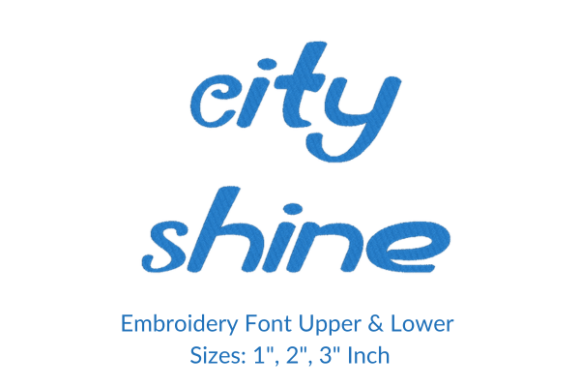
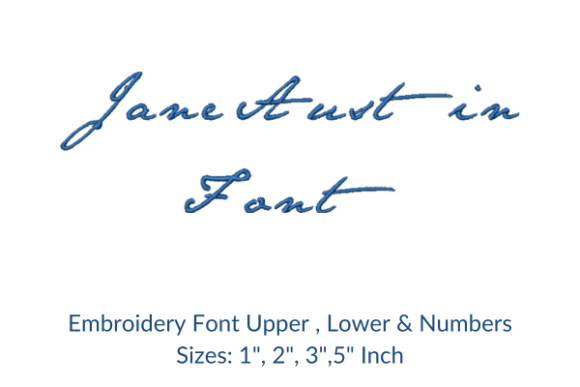
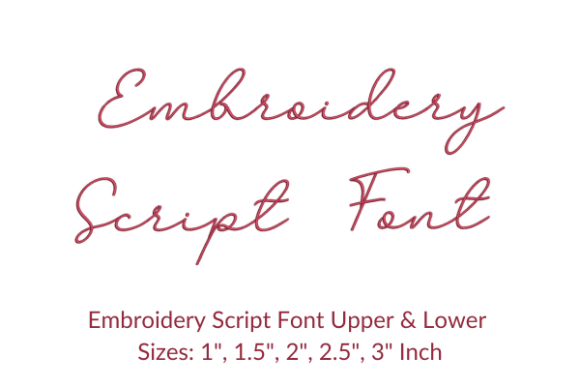
For small business owners, personalization is a significant value proposition. Using this embroidery font to write names, dates, or quotes on any fabric you wish allows for rapid customization. Imagine a workflow where a customer orders a personalized towel set. With Subscriber Font, you can quickly input the names, adjust the sizing within your software, and send the file to your machine. The consistent quality of the font ensures that every order meets your brand standards, regardless of the name's length or character combination.
Educational and Community Projects
Educators and community leaders can also leverage this tool. Creating labeled bins, personalized backpacks, or commemorative banners becomes more efficient when you have a reliable font resource. The clarity of the design ensures readability, which is crucial for functional items. Furthermore, the ability to use it on various fabrics means you are not limited to cotton; you can experiment with denim, canvas, or synthetic blends, expanding the range of possible projects.
Practical Implementation Tips for Consistent Results
To get the most out of Subscriber Font, consider these practical tips that focus on execution and quality assurance.
- Stabilizer Selection: The choice of stabilizer significantly impacts the final look of embroidered text. For lightweight fabrics, use a cut-away stabilizer to prevent puckering. For heavier materials like denim, a tear-away may suffice. Test combinations to find what works best with this specific font’s density.
- Thread Quality: High-quality embroidery thread reduces breakage and enhances the visual appeal of the font. Polyester threads offer durability and colorfastness, making them ideal for items that will be washed frequently, such as clothing or linens.
- Hooping Technique: Proper hooping is non-negotiable. Ensure the fabric is drum-tight in the hoop. Any slack can cause misalignment, which is particularly noticeable in text designs where letter spacing must be precise.
- Size Constraints: While Subscriber Font is scalable, be mindful of the minimum and maximum sizes recommended for embroidery. Scaling too small can result in lost detail, while scaling too large may require excessive stitching time and thread usage. Find the sweet spot for your specific application.
These observations help maintain a high standard of output, reinforcing your reputation for quality whether you are a freelancer delivering to clients or a hobbyist creating gifts for friends.
Long-Term Use and Asset Management
Treating Subscriber Font as a long-term asset rather than a one-time purchase encourages better organizational habits. As your portfolio grows, having a well-curated library of fonts and designs saves time. Tag your files with relevant metadata, such as "monogram," "block letter," or "script," to facilitate quick retrieval.
Moreover, consider how this font interacts with other design elements. It pairs well with simple motifs or logos, providing a balanced composition. When designing complex pieces, use the font as the focal point and keep surrounding elements minimal to avoid visual clutter. This strategic approach to design ensures that the text remains legible and impactful.
Enhancing Efficiency in Professional Settings
For marketers and publishers, physical merchandise is a powerful touchpoint. Incorporating embroidered items with custom text can enhance brand recall. Subscriber Font allows for the creation of cohesive branded materials, from staff uniforms to promotional tote bags. The consistency of the font across different items strengthens brand identity.
Freelancers and designers can also offer this as a premium service. By mastering the use of high-quality embroidery fonts, you differentiate yourself from competitors who may rely on generic, poorly digitized options. Clients appreciate attention to detail, and the clean lines of Subscriber Font demonstrate professionalism.
Conclusion: A Tool for Elevated Craftsmanship
Integrating Subscriber Font into your workflow is about more than just adding text to fabric; it is about enhancing the overall quality and efficiency of your creative process. By understanding its compatibility, preparing your workspace, and applying practical stitching techniques, you can unlock new possibilities in personalization and design.
Whether you are producing items for sale, education, or personal enjoyment, this high-quality embroidery font provides the reliability and versatility needed to succeed. Embrace the precision it offers, and let it streamline your path from concept to completed masterpiece. With the right tools and methods, your embroidery projects will not only look professional but also reflect the care and expertise you bring to your craft.