Evaluating the Practical Value of Madison Fonts Embroidery Design
In the realm of machine embroidery, typography often dictates the success of a personalized project. While imagery captures attention, text provides context, identity, and sentiment. Madison Fonts Embroidery Design represents a specific category of digital assets designed to bridge the gap between standard computer typefaces and the physical constraints of stitching. For professionals managing small businesses, hobbyists seeking to elevate their craft, or educators teaching textile arts, understanding the utility and limitations of this design set is essential before integrating it into a workflow.
This resource is not merely a collection of letters; it is a structured library intended for personalization. Whether the goal is to add names to corporate uniforms, dates to commemorative quilts, or quotes to home decor items, the underlying mechanics of the font determine the final aesthetic. The primary value proposition of Madison Fonts Embroidery Design lies in its ability to offer consistent, readable text that maintains structural integrity across various fabric types and hoop sizes.
Technical Specifications and Dimensional Consistency
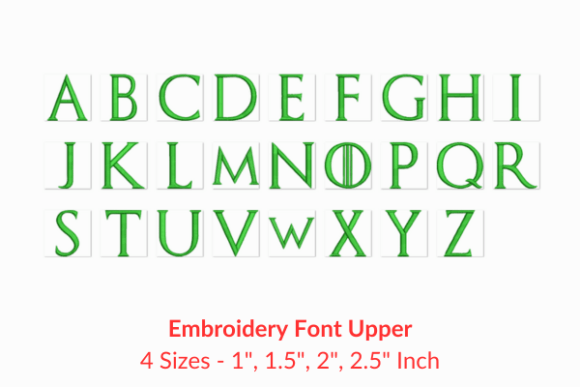
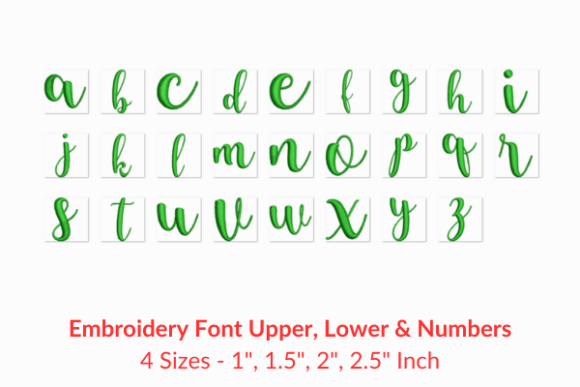
One of the most critical aspects of any embroidery font is how it scales. Unlike vector graphics on a screen, embroidery stitches have physical limits regarding density and thread tension. When evaluating Madison Fonts Embroidery Design, it is important to note that the sizing information typically provided in product listings refers specifically to the characters "A" and "a". This metric serves as a baseline for estimating the space required for a word or phrase.
However, relying solely on the dimensions of these two letters can be misleading if one does not account for the full character set. A font with wide "M"s or tall "l"s will require more horizontal or vertical space than a font dominated by narrow characters. The documentation for this design set explicitly states that the summary data covers only these reference points. To ensure accurate placement on a garment or fabric, users must consult the detailed dimension charts available via the "More Sewing Info PDF" button. This document outlines the exact stitch counts and dimensions for all 288 letters included in the set.
For serious practitioners, this level of detail is non-negotiable. In professional environments where precision is paramount, such as monogramming high-end linens or branding team apparel, a miscalculation of even a few millimeters can result in a design that sits awkwardly on the chest pocket or runs off the edge of a cap. The availability of comprehensive data for the entire alphabet ensures that Madison Fonts Embroidery Design can be utilized with confidence, minimizing the need for trial-and-error hooping.
Format Compatibility and Workflow Integration
The versatility of an embroidery file is defined by its compatibility with existing hardware. One of the strengths of Madison Fonts Embroidery Design is its inclusion of multiple file formats. Machine embroidery software varies significantly across brands, from Brother and Bernina to Janome and Husqvarna Viking. Each manufacturer utilizes proprietary file extensions that dictate how the machine interprets stitch commands.
By providing a suite of formats, this design set eliminates the friction of conversion. Users do not need to invest time or money in third-party conversion tools, which can sometimes introduce errors or alter stitch density. Instead, the files are ready for immediate import into the user's preferred digitizing software or directly onto the machine interface. This seamless integration supports a streamlined workflow, allowing creators to move quickly from concept to execution.
Furthermore, the consistency of the stitch structure across different formats suggests a robust digitizing process. Poorly converted fonts often suffer from broken lines, excessive trims, or uneven pull-in, particularly at smaller sizes. The multi-format approach of this design implies that the core digitizing was done with care, ensuring that the visual fidelity of the text remains intact regardless of the machine brand being used.
Real-World Application Scenarios
To understand the true value of Madison Fonts Embroidery Design, one must consider how it performs in actual production scenarios. For small business owners specializing in custom gifts, speed and reliability are key. This font set allows for rapid customization of bulk orders. Imagine a scenario where a client requests fifty aprons with unique family names. With a reliable font like this, the operator can adjust the size, position, and color without worrying about the text distorting or the machine jamming due to poor stitch logic.
For hobbyists and bloggers creating content around DIY projects, the aesthetic quality of the font matters just as much as its technical performance. Madison Fonts Embroidery Design offers a clean, legible style that works well for both decorative and functional text. It is suitable for writing dates on wedding favors, adding motivational quotes to tote bags, or labeling children's clothing. The clarity of the stitches ensures that even when viewed up close, the text remains sharp and professional-looking.
However, there are limitations to consider. As with any pre-digitized font, the design is optimized for specific applications. It may not be ideal for extremely curved surfaces or highly textured fabrics without additional adjustments. Users working with stretchy knits or very heavy denim should test the design on a scrap piece of similar material first. Understanding the interaction between the font's stitch density and the fabric's weave is crucial for achieving a polished finish.
Assessing Long-Term Value and Usability
When investing in digital assets, long-term usability is a significant factor. Madison Fonts Embroidery Design offers a substantial return on investment due to its comprehensive nature. With 288 letters, including uppercase, lowercase, numbers, and likely special characters, the set covers a vast majority of personalization needs. This breadth means that users are less likely to need to purchase additional fonts for basic text requirements.
The emphasis on providing detailed dimensional data also adds to the longevity of the product. As technology evolves and new machines are introduced, having access to precise specifications allows users to adapt their designs effectively. It transforms the font from a simple graphic into a reliable tool that can grow with the user's skills and equipment.
Moreover, the professional quality of the digitizing reduces waste. In commercial settings, wasted thread and fabric time translate directly to lost revenue. A font that stitches cleanly on the first attempt saves materials and labor hours. For freelancers and entrepreneurs, this efficiency is a competitive advantage, enabling them to quote prices more accurately and deliver projects faster.
Who Benefits Most from This Resource?
While Madison Fonts Embroidery Design is accessible to beginners, its full potential is realized by those with a clear understanding of embroidery mechanics. Professionals who manage tight deadlines will appreciate the format compatibility and the reliability of the stitch count. Entrepreneurs running online shops for personalized goods will find the variety of characters sufficient for handling diverse customer requests without needing a vast library of niche fonts.
Educators teaching embroidery classes can use this set to demonstrate best practices in text placement and scaling. The availability of the detailed PDF makes it an excellent teaching tool for explaining why certain letters take up more space and how to calculate total design dimensions accurately.
For the serious hobbyist, this font offers a way to produce work that rivals professional standards. It removes the guesswork from lettering, allowing the creator to focus on creativity and composition rather than troubleshooting stitch issues.
Final Considerations for Implementation
Integrating Madison Fonts Embroidery Design into a creative workflow requires a mindful approach. Users should always review the full dimension details before starting a project, especially when working with limited space. Testing the font on a stabilizer and fabric combination similar to the final project is recommended to verify stitch tension and density.
Ultimately, this design set stands out for its balance of flexibility and precision. It respects the technical demands of machine embroidery while offering the creative freedom needed for personalization. By prioritizing detailed information and broad compatibility, it serves as a dependable asset for anyone looking to add high-quality text to their textile creations. Whether for a single heirloom piece or a large commercial order, the reliability of Madison Fonts Embroidery Design makes it a worthwhile addition to a digital embroidery library.