Evaluating the Paul Bunyan Fonts Embroidery Design for Custom Text Projects
When selecting a machine embroidery font, the decision often hinges on more than just aesthetic appeal. It requires an assessment of stitch density, scalability, and compatibility with specific project types. The Paul Bunyan Fonts Embroidery Design stands out as a robust option for those seeking a rugged, Western-inspired typography that holds up well under various stitching conditions. This design set is engineered to assist crafters in personalizing garments, home decor, and accessories with names, dates, or short quotes. However, like any specialized tool, it serves specific use cases better than others. Understanding its distinct characteristics helps determine if it aligns with your current sewing goals.
Defining the Character and Utility of the Design
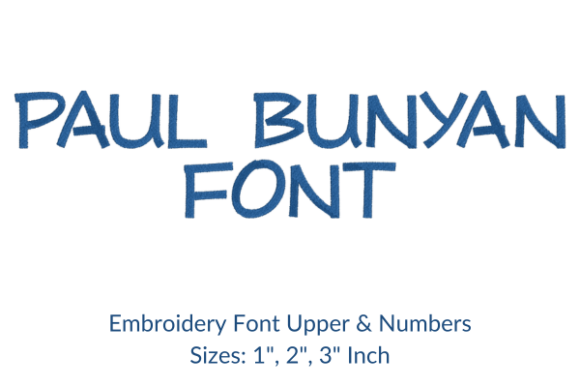
The Paul Bunyan Fonts Embroidery Design is not merely a collection of letters; it is a stylistic statement rooted in American folklore and outdoor heritage. The font mimics the bold, hand-carved look often associated with logging camps and rustic signage. This visual weight makes it particularly effective for projects requiring high visibility and a sense of durability. Unlike delicate script fonts that can fray or become illegible on textured fabrics, this design utilizes thicker stroke widths and simplified curves to ensure clarity even when stitched on heavier materials like denim, canvas, or fleece.
A critical aspect of evaluating this resource is understanding the technical data provided. The specifications listed for the design typically reference the dimensions and stitch counts for the letter "A" (both uppercase and lowercase) across available sizes. While this offers a quick snapshot of scale, it is essential to recognize that the full set comprises 78 characters, including numbers and punctuation. For a comprehensive view of how each character behaves at different scales, users should consult the detailed PDF documentation often linked alongside the download. This document provides the granular data necessary for precise planning, ensuring that the text fits within the intended hoop size without distortion.
Comparing Formats and Machine Compatibility
One of the primary advantages of the Paul Bunyan Fonts Embroidery Design is its versatility regarding file formats. In the world of digital embroidery, format incompatibility remains a significant barrier for many hobbyists and professionals. This design package typically includes multiple industry-standard file extensions, allowing it to function across a wide range of embroidery machines from major manufacturers. Whether you are using a domestic hobbyist machine or a commercial multi-head unit, the likelihood of finding a compatible format is high.
When comparing this to single-format downloads, the multi-format approach reduces the need for third-party conversion software. Converting files can sometimes introduce errors, such as misplaced jump stitches or incorrect underlay settings, which compromise the final quality. By providing native formats, the Paul Bunyan Fonts Embroidery Design streamlines the workflow, allowing the user to focus on fabric preparation and stabilizer selection rather than troubleshooting digital files. This reliability is a key factor for users who manage tight deadlines or work with clients expecting consistent results.
Technical Considerations: Stitch Count and Density
Stitch count is a vital metric when comparing embroidery fonts. High-stitch-count designs offer smoother curves but require longer run times and more thread. Conversely, lower-stitch-count options are faster but may appear blocky. The Paul Bunyan Fonts Embroidery Design strikes a balance here. Its construction prioritizes structural integrity over excessive detail. This means the stitch density is optimized to prevent puckering on medium-weight fabrics while maintaining the bold character of the typeface.
In comparison to highly ornate decorative fonts, which might demand heavy stabilizers and specific needle types to prevent breakage, this design is generally more forgiving. It is less likely to cause tension issues on stretchy knits compared to dense, intricate scripts. However, users working with very fine silk or sheer organza should exercise caution. The bold nature of the font may overwhelm delicate substrates, potentially causing visible distortion or requiring extensive hooping techniques to mitigate pulling.
Best-Fit Scenarios and Practical Applications
Determining the right moment to deploy the Paul Bunyan Fonts Embroidery Design involves analyzing the project's context. This font excels in scenarios where a rustic, masculine, or vintage aesthetic is desired. It is an ideal choice for:
- Apparel Branding: Adding logos or team names to flannel shirts, trucker hats, and workwear jackets.
- Home Decor: Personalizing throw pillows, table runners, or wall hangings with a cabin or lodge theme.
- Event Memorabilia: Creating commemorative patches or banners for hunting trips, camping events, or family reunions.
- Gift Personalization: Embroidering names on baby blankets or quilts with a classic, timeless feel.
For instance, if a client requests a logo for a lumberjack-themed festival, this font provides immediate thematic alignment. The bold strokes read clearly from a distance, making it superior to thin serif fonts that might get lost in the background noise of a busy event. Similarly, for a child's name on a durable denim jacket, the design ensures longevity, resisting the wear and tear of daily washing better than finer lines.
Tradeoffs and Limitations to Consider
While the Paul Bunyan Fonts Embroidery Design offers significant benefits, it is not a universal solution. The most notable limitation is its stylistic rigidity. Because the font is designed with a specific rustic character, it may clash with projects requiring elegance, formality, or modern minimalism. Attempting to use this font for a wedding invitation monogram or a corporate business card would likely result in a mismatched aesthetic.
Furthermore, the size constraints inherent in machine embroidery must be respected. While the design comes in multiple sizes, extremely small applications can reduce legibility. If a project requires text smaller than 0.5 inches in height, the intricate details of the "Bunyan" style may merge, resulting in a muddy appearance. In such cases, a simpler sans-serif font might be a more practical alternative. Users must evaluate the physical space available on their fabric before committing to this specific design.
Another consideration is the thread consumption. Due to the bold nature of the letters, this font uses more thread per inch than lighter typefaces. For large-scale projects involving long sentences, this can impact both cost and production time. It is advisable to calculate the total stitch count for the entire phrase, not just the sample "A," to ensure adequate thread supply and realistic scheduling.
Decision Factors for the Modern Crafter
When weighing the Paul Bunyan Fonts Embroidery Design against other options, the decision should rest on three pillars: Aesthetic Alignment, Technical Feasibility, and Workflow Efficiency.
- Aesthetic Alignment: Does the project demand a rugged, bold look? If yes, this font is a strong contender. If the goal is subtlety or elegance, explore script or serif alternatives.
- Technical Feasibility: Can the fabric support the stitch density? Heavy wools and denims are perfect matches. Sheer silks and lightweight linens may require extensive testing or a different font choice.
- Workflow Efficiency: Do you have the correct file format ready? The multi-format inclusion in this package reduces friction, but verifying machine compatibility beforehand prevents delays.
Ultimately, the value of the Paul Bunyan Fonts Embroidery Design lies in its ability to deliver a consistent, high-quality result within its specific niche. It removes the guesswork for users who know they want a Western or rustic vibe, providing a reliable tool that performs predictably across different machines. For those exploring alternatives, it serves as a benchmark for what a well-constructed, thematic font should achieve in terms of readability and durability.
Final Thoughts on Selection
Selecting the right embroidery font is a strategic decision that impacts the professional finish of any textile project. The Paul Bunyan Fonts Embroidery Design offers a compelling combination of style and technical reliability for specific applications. By understanding its strengths—such as its bold readability and multi-format compatibility—and acknowledging its limitations regarding delicate fabrics and formal contexts, crafters can make informed choices. Whether personalizing a family heirloom or producing custom apparel, this design provides a solid foundation for creative expression, provided it is applied where its distinctive character shines brightest.