Elevating Textile Design with the Patchwork Letter Z Embroidery Pattern
In the evolving landscape of textile arts and digital manufacturing, the intersection of traditional craftsmanship and modern machine efficiency has never been more vibrant. Among the myriad of design elements available to creators today, the Patchwork Letter Z stands out as a versatile tool for professionals seeking to infuse character into their projects. This specific embroidery design is not merely a decorative motif; it represents a strategic asset for entrepreneurs, freelancers, and enthusiasts aiming to distinguish their work in a saturated market. By integrating this pattern into home decor, fashion, and accessories, makers can leverage the aesthetic appeal of patchwork while maintaining the precision of digital production.
The Essence of the Patchwork Letter Z Design
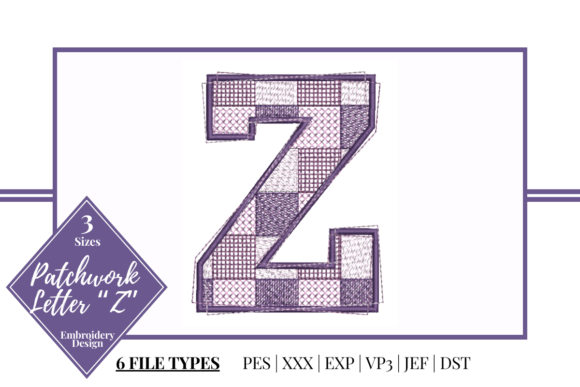
To understand the value of the Patchwork Letter Z, one must first appreciate the mechanics behind its creation. Unlike standard block lettering that relies on uniform satin stitches, this design mimics the look of hand-stitched fabric scraps sewn together. It utilizes a combination of fill stitches, running stitches, and varied thread directions to create a textured, quilted appearance. The result is a visual depth that flat embroidery often lacks, offering a tactile quality that resonates with consumers seeking authenticity.
This design is particularly effective because it bridges the gap between the rustic charm of handmade goods and the scalability of machine embroidery. For the modern creator, the ability to produce high-quality, artisanal-looking items at speed is a significant competitive advantage. The Patchwork Letter Z Embroidery Design allows for this duality, enabling businesses to scale personalized products without sacrificing the "handmade" narrative that drives consumer engagement in the current economy.
Adaptability Through Color Customization
A critical feature that elevates the utility of this design is its inherent flexibility regarding color. In the world of custom apparel and home textiles, client preferences are rarely static. The beauty of the Patchwork Letter Z lies in the fact that colors can be altered based on the embroidery thread colors put in your machine. This capability transforms a single file into an infinite palette of possibilities.
For instance, a boutique clothing brand might use pastel threads to create a soft, spring-ready collection featuring the letter Z on tote bags or denim jackets. Conversely, a home decor line could utilize deep jewel tones or contrasting monochromes to create bold statement pieces for pillows or wall hangings. This adaptability ensures that the design remains relevant across different seasons, trends, and brand identities. It empowers the creator to respond quickly to market demands without needing to commission new artwork for every color variation.
Strategic Integration into Modern Workflows
The adoption of specialized designs like the Patchwork Letter Z reflects a broader shift in how creative professionals manage their workflows. As the demand for personalization grows, the technical barriers to entry have lowered, allowing small businesses to compete with larger manufacturers. The key to success in this environment is efficiency combined with aesthetic distinctiveness.
From a technical standpoint, this machine embroidery design comes with multiple embroidery file formats. This compatibility is essential for the diverse ecosystem of embroidery hardware currently in use. Whether a professional operates a single-head domestic machine or a multi-needle industrial system, the availability of various file formats ensures seamless integration. This eliminates the friction of file conversion, reducing downtime and allowing creators to focus on design execution rather than technical troubleshooting.
Furthermore, the ability to use this design with multiple embroidery machines fosters collaboration within creative networks. Freelancers can share assets across teams, ensuring consistency in branding whether the work is produced in-house or outsourced to a local embroidery service. This interoperability supports the gig economy model, where flexibility and resource sharing are paramount.
Market Trends Driving Demand for Textured Typography
Why are industry leaders and independent creators paying close attention to patterns like the Patchwork Letter Z? The answer lies in the shifting consumer preference toward tactile experiences and storytelling through objects. In an era dominated by digital screens, physical goods that offer texture and visual complexity command higher attention and perceived value.
The "patchwork" aesthetic taps into the enduring popularity of the upcycling and sustainability movements. Consumers are increasingly drawn to items that appear crafted from reclaimed materials, even when they are produced using new threads and fabrics. The illusion of patchwork created by this embroidery design satisfies this psychological desire for sustainability and uniqueness. It suggests a history and a story, making the final product feel more curated and less mass-produced.
Additionally, the trend of initial-based personalization continues to dominate the gifting and lifestyle sectors. While simple monograms have long been popular, the market is now craving more sophisticated interpretations. The Patchwork Letter Z Embroidery Design offers a fresh take on the classic monogram, moving away from the predictable script fonts toward a more graphic, artistic style. This evolution aligns with the broader design trend of "maximalism," where bold textures and eclectic mixes are celebrated over minimalism.
Practical Applications Across Industries
The versatility of the Patchwork Letter Z extends beyond a single niche, finding practical application in various sectors ranging from high-end fashion to cozy home interiors.
- Fashion and Apparel: Designers can incorporate this letter onto the back of denim jackets, the chest of hoodies, or as a unique logo placement on caps. The textured look adds weight and dimension to lightweight fabrics, enhancing the overall garment quality.
- Home Decor: In the interior design space, this pattern is ideal for throw pillows, table runners, and wall art. The patchwork effect complements bohemian, farmhouse, and eclectic interior styles, adding a layer of warmth to living spaces.
- Accessories and Gifts: Tote bags, aprons, and baby blankets become premium gifts when adorned with this design. The ability to customize the thread colors allows for perfect matching with specific event themes or corporate branding requirements.
For entrepreneurs, these applications represent diverse revenue streams. A single design file can generate income across multiple product categories, maximizing the return on investment for the digital asset. Moreover, the distinctive nature of the Patchwork Letter Z helps brands carve out a unique identity. In a crowded marketplace, having a signature look—such as a specific textured font style—can serve as a powerful differentiator.
Future-Proofing Creative Business Models
As technology continues to advance, the tools available to creators will only become more sophisticated. However, the fundamental human desire for connection and expression remains constant. Designs that balance technical precision with emotional resonance, like the Patchwork Letter Z, are well-positioned to endure these changes.
Looking forward, we can expect to see increased integration of such designs into smart manufacturing systems, where inventory is managed dynamically based on real-time orders. The modular nature of this embroidery design fits perfectly into such models. Creators can maintain a library of versatile patterns and apply them on-demand, reducing waste and increasing agility. This approach aligns with the principles of lean manufacturing, which are becoming increasingly important for sustainable business practices.
Furthermore, as the boundary between digital and physical goods blurs, the ability to translate digital files into tangible, high-quality products becomes a core competency. The Patchwork Letter Z Embroidery Design serves as a testament to this capability, proving that digital assets can yield physical results that rival traditional handcraftsmanship.
Conclusion
The Patchwork Letter Z is more than just a decorative element; it is a strategic component in the toolkit of the modern creative professional. Its ability to mimic the warmth of handcrafted patchwork while leveraging the speed and precision of machine embroidery makes it an invaluable asset. With features like customizable thread colors and compatibility with multiple file formats and machines, it addresses the changing needs of a market that values both efficiency and authenticity.
Whether you are a freelancer looking to expand your portfolio, an entrepreneur building a brand, or an enthusiast exploring new techniques, incorporating this design can elevate your output. It connects the past traditions of quilting with the future of digital fabrication, offering a stylish accent that resonates with contemporary consumers. By embracing such versatile and adaptable designs, creators can navigate the complexities of the modern market with confidence, delivering products that are not only visually striking but also deeply meaningful.