Elegant Letter D: A Versatile Embroidery Asset for Textile Projects
In the realm of machine embroidery, individual lettering often serves as the foundation for monograms, branding, and personalized gifts. The Elegant Letter D stands out within this category not merely as a character, but as a design element that balances structural integrity with decorative flair. For professionals managing custom apparel lines or hobbyists seeking to elevate home textiles, the quality of single-letter assets is paramount. This specific design offers a refined aesthetic suitable for a wide range of applications, from high-end corporate uniforms to whimsical family heirlooms.
Design Characteristics and Visual Impact
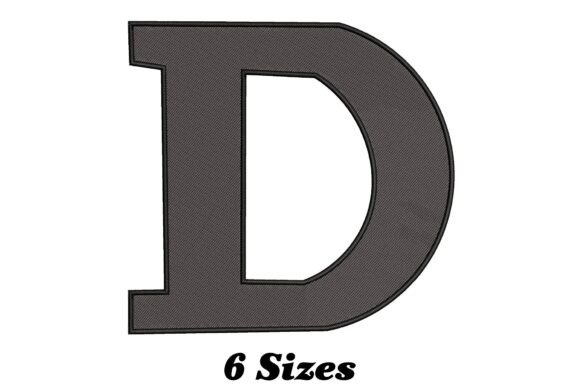
The defining feature of the Elegant Letter D is its stylistic execution. Unlike standard block fonts that prioritize legibility above all else, this design incorporates curves, flourishes, and varying line weights that suggest a hand-stitched origin while maintaining the precision required for digital machine operation. The letterform typically features a distinct loop and a sturdy vertical stroke, creating a visual weight that remains balanced even when scaled.
From a technical perspective, the digitization of this letter is critical. A well-executed Elegant Letter D ensures that satin stitches lie flat without puckering, particularly in areas where the curve transitions into straight lines. The density of the stitch count is calibrated to prevent thread buildup, which is a common issue with intricate serif or script-style letters. This attention to detail allows the design to maintain its clarity on various fabric types, ensuring that the "whimsical touch" mentioned in product descriptions translates effectively into physical reality.
Key Strengths in Digitization
- Stitch Efficiency: The design utilizes optimized pull compensation, reducing the likelihood of gaps in the satin columns.
- Scalability: The vector-based nature of the digitization allows for resizing without significant loss of definition, provided the minimum stitch size is respected.
- Format Flexibility: Availability in multiple file formats ensures compatibility across different machine ecosystems, a crucial factor for multi-machine studios.
Practical Applications Across Textiles
The versatility of the Elegant Letter D extends beyond simple decoration. Its neutral yet sophisticated style makes it an adaptable asset for diverse projects. In the context of professional branding, a single initial can serve as a subtle logo placement on pocket squares, tote bags, or the cuffs of chef coats. The elegance of the letter adds a layer of perceived value to the item, signaling quality craftsmanship to the end user.
For home decor enthusiasts, this design transforms functional items into personalized statements. Embroidering a D onto linen napkins, bath towels, or throw pillows creates a cohesive look in a guest room or nursery. The design's ability to hold up against washing and wear is enhanced by the robustness of its underlying stitch structure. Unlike printed transfers that may crack over time, a properly stitched embroidery design becomes part of the fabric's texture, offering durability that aligns with long-term usage expectations.
Consider the application on t-shirts. While bold graphics dominate streetwear, a small, elegant initial placed on the chest or sleeve offers a more understated alternative. This approach appeals to consumers looking for minimalism with a personal twist. The Elegant Letter D works particularly well here because its curves soften the rigid geometry often found in athletic wear, adding a touch of softness to the garment's overall silhouette.
Usability and Technical Integration
One of the most significant advantages of this resource is its format compatibility. Machine embroidery software varies widely, with brands like Brother, Janome, Bernina, and Pfaff utilizing proprietary file extensions. A design package that includes formats such as .PES, .JEF, .DST, and .EXP eliminates the need for third-party conversion tools, which can sometimes introduce errors or alter stitch paths. This immediate usability saves time and reduces the risk of digitization issues during the stitching process.
When integrating the Elegant Letter D into a workflow, users should consider the stabilizer requirements. Due to the potential density in the curved sections of the letter, a cut-away stabilizer is often recommended for stretchy fabrics like jersey, while tear-away may suffice for stable woven materials like cotton or linen. Testing on a scrap piece of the intended fabric is always advisable to fine-tune hoop tension and needle selection. Using a sharp needle, such as a 75/11 or 80/12, ensures clean penetration through the fabric layers, preserving the integrity of the design.
Workflow Considerations for Professionals
- Batch Production: For businesses producing bulk orders, the consistent stitch count of the Elegant Letter D allows for predictable production times.
- Customization: The design can be easily mirrored or rotated within embroidery software to fit specific layout constraints.
- Thread Management: Planning thread changes in advance is essential if using multi-colored variations, though solid colors often yield the cleanest result for this specific font style.
Evaluating Long-Term Value and Limitations
While the Elegant Letter D offers substantial value, it is important to recognize its limitations to manage expectations effectively. Like any single-letter design, it relies heavily on the surrounding context. When used in isolation, it must be large enough to be recognizable; if scaled too small, the intricate details may become indistinguishable. Conversely, scaling it too large without adjusting the stitch density can lead to excessive thread consumption and longer run times.
Furthermore, the "elegant" style implies a certain level of formality. It may not be the ideal choice for projects requiring a rugged, distressed, or highly casual aesthetic. Users targeting a youth market or sports teams might find a bolder, sans-serif option more appropriate. However, for audiences valuing sophistication, tradition, or personalization, this design remains a strong contender.
Long-term value is derived from the design's reusability. Once purchased and integrated into a library, the Elegant Letter D can be deployed across countless projects over several years. The investment is amortized over every item produced, making it a cost-effective solution for freelancers and small business owners who need a reliable asset without recurring licensing fees. The consistency of the output ensures brand reliability, a key component of building trust with clients who commission custom work.
Ideal Audience and Project Fit
Who benefits most from this specific embroidery asset? The primary demographic includes small business owners specializing in custom apparel, boutique gift shops, and serious hobbyists who sell their creations online. Educators teaching textile arts may also find it useful as a teaching tool for demonstrating proper hooping and stabilizer techniques. The design's balance of complexity and simplicity makes it an excellent intermediate project for those moving beyond basic text embroidery.
Freelancers and marketers looking to offer unique promotional products will appreciate the ability to add a personalized touch to corporate gifts. A monogrammed notebook cover or a branded apron featuring the Elegant Letter D elevates the perceived value of the giveaway, leaving a lasting impression on recipients. For bloggers and content creators in the crafting niche, this design provides high-quality visual content that showcases technical skill and aesthetic sensibility.
Ultimately, the decision to use the Elegant Letter D should hinge on the specific goals of the project. If the objective is to inject personality into a standard item while maintaining a professional finish, this design delivers. Its availability in multiple formats ensures that technical barriers are minimized, allowing creators to focus on the creative aspects of their work. By understanding its strengths, limitations, and optimal use cases, users can leverage this asset to produce high-quality, durable, and visually appealing embroidered goods.